


Understanding EICR: Why It Matters for Your Property
Updated: Jan 20
Electrical safety is a crucial aspect of property management that often gets overlooked. One of the most effective ways to ensure the safety of your electrical installations is through an Electrical Installation Condition Report (EICR). This blog post will delve into what an EICR is, why it matters, and how it can protect your property and its occupants.
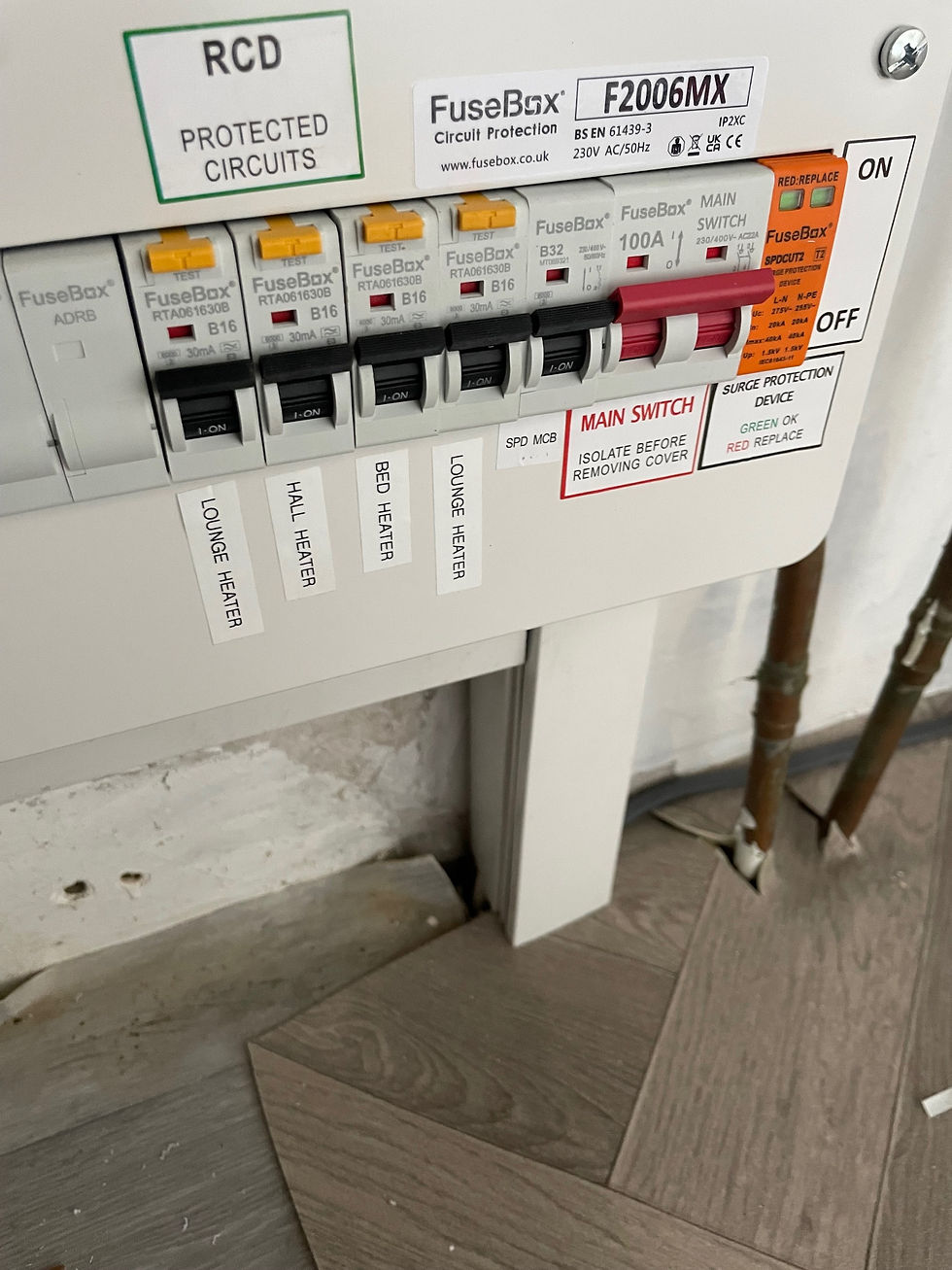
What is an EICR?
An Electrical Installation Condition Report (EICR) is a formal document that assesses the safety and condition of electrical installations in a property. It is carried out by a qualified electrician and provides a detailed analysis of the electrical systems, highlighting any issues that may pose a risk to safety.
Key Components of an EICR
Visual Inspection: The electrician will conduct a thorough visual inspection of the electrical installations, including wiring, sockets, and switches.
Testing: Various tests will be performed to check the functionality and safety of the electrical systems. This includes testing for earth continuity, insulation resistance, and polarity.
Reporting: The findings are compiled into a report that outlines any defects, recommendations for repairs, and the overall condition of the electrical system.
Why EICR Matters
Ensuring Safety
The primary purpose of an EICR is to ensure the safety of the electrical installations. Faulty wiring or outdated systems can lead to electrical fires, shocks, or even fatalities. Regular EICR assessments can help identify potential hazards before they become serious issues.
Legal Compliance
In many jurisdictions, landlords are required by law to have an EICR conducted at regular intervals. For example, in the UK, the law mandates that rental properties must have a valid EICR every five years. Failing to comply with these regulations can result in hefty fines and legal repercussions.
Protecting Your Investment
For property owners, an EICR is not just about compliance; it’s also about protecting your investment. Electrical issues can lead to costly repairs and damage to your property. By identifying and addressing these issues early, you can save money in the long run.
Peace of Mind
Knowing that your electrical systems are safe and compliant provides peace of mind for both property owners and tenants. It assures everyone that the property is a safe environment, reducing the risk of accidents and enhancing overall satisfaction.
How Often Should You Get an EICR?
The frequency of EICR assessments can vary based on several factors, including the type of property and its usage. Here are some general guidelines:
Residential Properties: Every 5 years or at the change of occupancy.
Commercial Properties: Every 3 to 5 years, depending on the nature of the business.
Houses in Multiple Occupation (HMOs): At least every 5 years, or more frequently if required by local regulations.
What Happens During an EICR?
Understanding what to expect during an EICR can help property owners prepare for the inspection. Here’s a breakdown of the process:
Pre-Inspection Preparation: Ensure that the electrician has access to all areas of the property, including attics, basements, and any outdoor electrical installations.
Visual Inspection: The electrician will check for any visible signs of wear and tear, such as frayed wires or damaged sockets.
Testing: Various tests will be conducted to assess the integrity of the electrical systems. This may include:
Earth Continuity Testing: Ensures that the earth connection is intact and functioning.
Insulation Resistance Testing: Checks for any breakdown in insulation that could lead to short circuits.
Polarity Testing: Verifies that the live and neutral connections are correctly wired.
Documentation: After the inspection, the electrician will compile the findings into a report, detailing any issues and recommendations for repairs.
Understanding the EICR Report
Once the EICR is completed, you will receive a report that includes:
Overall Condition: A summary of the electrical system's condition, rated as either satisfactory or unsatisfactory.
Observations: Detailed notes on any issues found during the inspection.
Recommendations: Suggested actions to rectify any problems identified.
Code of Practice: Reference to the relevant standards and regulations that apply to the electrical installations.
Common Issues Found in EICR Reports
Some common issues that may be highlighted in an EICR report include:
Outdated Wiring: Older properties may have wiring that does not meet current safety standards.
Insufficient Earthing: A lack of proper earthing can increase the risk of electric shock.
Overloaded Circuits: Circuits that are overloaded can lead to overheating and potential fires.
Damaged Equipment: Frayed wires, cracked sockets, or damaged switches can pose significant risks.
The Cost of an EICR
The cost of an EICR can vary based on several factors, including the size of the property and the complexity of the electrical systems. On average, you can expect to pay between £100 and £300 for a residential property. While this may seem like an expense, consider it an investment in safety and compliance.
Choosing the Right Electrician
Selecting a qualified electrician to conduct your EICR is crucial. Here are some tips to help you choose the right professional:
Check Qualifications: Ensure the electrician is qualified and registered with a recognized body, such as NICEIC or ELECSA.
Read Reviews: Look for reviews and testimonials from previous clients to gauge their reputation.
Request Quotes: Obtain quotes from multiple electricians to compare prices and services.
Ask About Experience: Inquire about their experience with EICR assessments specifically.
Conclusion
An Electrical Installation Condition Report (EICR) is an essential tool for ensuring the safety and compliance of electrical installations in your property. Regular assessments can help identify potential hazards, protect your investment, and provide peace of mind for both property owners and tenants. By understanding the importance of EICR and choosing a qualified electrician, you can safeguard your property and its occupants from electrical risks.
Take the next step in protecting your property by scheduling an EICR today. Your safety and peace of mind are worth it.


Comments